Introduction of Vaping Products Duty from 1 October 2026
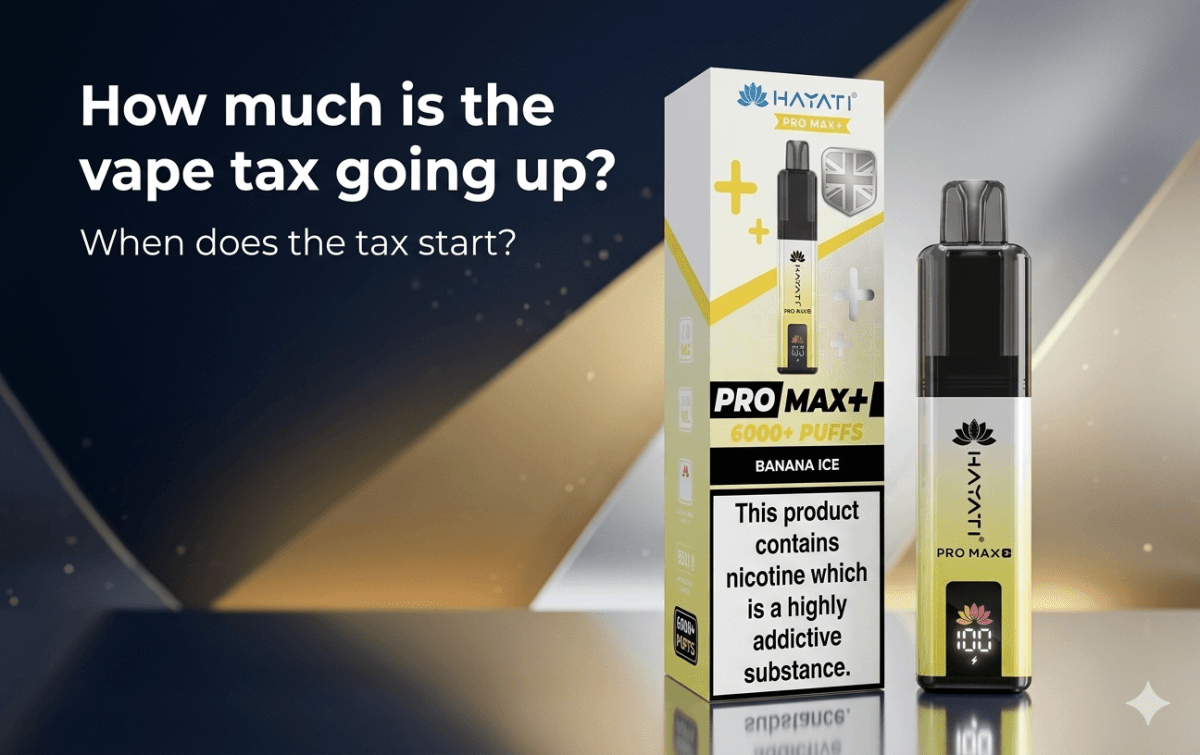
The government has settled on a flat-rate duty of £2.20 per 10ml of e-liquid. This is a significant departure from earlier proposals that suggested lower taxes for nicotine-free or low-nicotine liquids. In 2026, it does not matter if your juice is 0mg or 20mg—the tax is exactly the same because it is based purely on volume.
The New Reality for UK Vapers
If you’ve walked into a vape shop lately, there’s a heavy cloud of uncertainty hanging over the counters. It isn’t just about the disposable ban—it’s about the wallet-hitting reality of the Vaping Products Duty (VPD).
For years, vaping has been the "affordable" alternative to the skyrocketing costs of tobacco. But as of October 1, 2026, the financial landscape is shifting. The UK government is introducing a flat-rate tax that fundamentally changes the cost of every milliliter of e-liquid. Whether you use 10ml nic salts or 100ml shortfills, your monthly budget is about to be recalculated.
We understand the frustration. You made the switch to improve your health and save money, and now it feels like you're being penalized for it. This guide provides a clear, expert-driven roadmap of exactly what is changing, the updated flat-rate figures, and how you can navigate these costs.
What Is the UK Vape Tax 2026?
The Vaping Products Duty is a new excise tax specifically targeting the liquid components of e-cigarettes. Previously, vaping products were only subject to standard VAT (20%). Under the updated Finance Bill 2025–26, a specific levy will be applied to all e-liquids at the point of manufacture or importation.
The Key Numbers
The government has settled on a flat-rate duty of £2.20 per 10ml of e-liquid.
This is a significant departure from earlier proposals that suggested lower taxes for nicotine-free or low-nicotine liquids. In 2026, it does not matter if your juice is 0mg or 20mg—the tax is exactly the same because it is based purely on volume.
Who Is It For?
· Beginners: Will see price increases on pre-filled pods.
· Intermediate Users: 10ml bottles will become roughly 70% more expensive.
· Advanced Users/Pros: Large-format shortfills (100ml+) will face the steepest price hikes in the industry's history.
Why the Government Scrapped the Tiered System
Originally, the UK planned a "tiered" tax (higher nicotine = higher tax). However, following consultations in 2024 and 2025, the Treasury moved to a flat rate of 22p per ml (£2.20 per 10ml).
Why the Change?
1. Simplicity for HMRC: A flat rate is easier to enforce and harder for manufacturers to "game" by mislabeling nicotine strengths.
2. The "Shortfill Loophole": By taxing 0mg liquid at the same rate as nicotine liquid, the government ensures that bulk-buying nicotine-free juice to mix at home doesn't become a massive tax-avoidance strategy.
3. Youth Prevention: By making all liquid more expensive, they aim to reduce the "pocket money" accessibility of vaping for minors.
Key Features: The Vaping Duty Stamp Scheme
Along with the tax comes the Vaping Duty Stamps (VDS) Scheme. Just like a bottle of whiskey or a pack of cigarettes, every bottle of e-liquid sold in the UK will soon require a physical tax stamp on the packaging.
1. Tamper-Evident Seals
The stamps will act as a seal. If you buy a bottle after April 1, 2027, and it doesn't have a stamp, it is an illegal, non-duty-paid product.
2. The Grace Period
The tax goes "live" for production on October 1, 2026. However, shops are allowed a 6-month "sell-through" period. You can still buy un-stamped (cheaper) stock until April 1, 2027, provided it was manufactured before the October deadline.
3. Traceability
Each stamp will feature digital traceability (QR codes) to help HMRC track the supply chain and crack down on the black market.
Types of Vaping: Winners and Losers
The Biggest Losers: Sub-Ohm Vapers
If you use a high-wattage device and go through a 100ml bottle every week, your monthly costs will skyrocket. A single bottle that costs £15 today will cost over £40 in 2026. This adds roughly £100 per month to a heavy sub-ohm habit.
The "Relative" Winners: Pod System Users
Because pod systems (like the XROS or Oxva XLIM) use very little liquid to deliver nicotine, the tax hit is manageable. If you use one 10ml bottle a week, your cost increases by only £2.64 per week.
The "Bulk-Buy" Myth
In 2026, the "bulk-buy" advantage of 100ml bottles disappears. Since the tax is volume-based, you save zero tax by buying larger bottles. In fact, many brands are expected to pivot back to 10ml formats to keep the "sticker price" from looking terrifying to customers.
Will the Tax on Vapes Work? (Expert Analysis)
There is significant debate regarding the Expectations from the UK vape tax increase.
· Economic Impact: The Treasury expects to raise over £500 million per year by 2030.
· Public Health: Experts fear that if the price of a 100ml bottle reaches £40, some vapers might return to cheaper, illicit tobacco or unregulated black-market vapes.
· Tobacco Parity: To prevent people from switching back to smoking, the government is increasing Tobacco Duty by an extra £2.20 per 100 cigarettes simultaneously. Vaping will remain roughly 3x cheaper than smoking, but the gap is narrowing.
How to Choose Your Vaping Strategy for 2026
If you want to stay ahead of the price hike, follow this step-by-step buyer decision framework:
1. Switch to High-Efficiency Gear: Move away from "cloud-chasing" tanks. Low-wattage MTL (Mouth-to-Lung) devices consume 70-80% less liquid.
2. Audit Your ML Consumption: If you vape 20ml+ a day, 2026 will be a financial shock. Start reducing your "chain-vaping" habits now.
3. The "Nicotine Shot" Trap: Remember that nic shots are 10ml of liquid. They will attract the same £2.64 tax as a flavored juice. Factor this into your DIY costs.
4. Gradual Stockpiling: Don't panic buy in September 2026. Start adding 2-3 extra bottles to your monthly orders now to build a "buffer" of pre-tax stock. Check expiry dates—most juice lasts 2 years.
Common Mistakes Vapers Will Make
· Buying "Tax-Free" Online: Many will try to order from overseas. HMRC is increasing staffing by £120 million to intercept non-duty-paid parcels.
· Using DIY Ingredients Incorrectly: Buying industrial-grade VG/PG to avoid tax is dangerous. Only use "Vaping Grade" ingredients from HMRC-approved sources.
· Ignoring the April 2027 Deadline: Some think they can find "old stock" forever. After April 1, 2027, even old stock is illegal to sell without a stamp.
FAQ: Everything You Need to Know
1. How much is the vape tax going up?
The tax is a flat £2.20 per 10ml of e-liquid. After adding VAT, the total increase is £2.64 per 10ml.
2. When does the tax start?
The tax officially begins on October 1, 2026.
3. Does it apply to nicotine-free juice?
Yes. The tax applies to all vaping liquids, including 0mg shortfills and nicotine shots.
4. Will hardware (coils/batteries) be taxed?
No. Currently, the VPD only applies to the liquid. Hardware is only subject to standard 20% VAT.
5. How much will a 100ml shortfill cost?
Expect to pay over £40. A typical £15 bottle will have £22 in duty and £4.40 in extra VAT added.
6. Can I still buy disposables?
Separate legislation aims to ban single-use disposables entirely. If any remain, they will be subject to the £0.44 tax per 2ml pod/device.
7. Is there a limit on how many bottles I can buy?
Some retailers have already started limiting orders (e.g., 150 bottles max) to prevent artificial shortages before the 2026 deadline.
8. Why is the government doing this?
The stated goals are to reduce youth vaping, encourage smoking cessation through a "price delta," and raise revenue for the NHS.
Final Verdict: Is Vaping Still Worth It?
The 2026 UK Vape Tax is a massive shift, but it doesn't have to break the bank. If you switch to efficient pod systems and nicotine salts, the cost increase is roughly equivalent to a cup of coffee per week. However, the days of cheap 100ml shortfills and "cloud chasing" on a budget are coming to an end.
The Bottom Line: Adapt your hardware now, understand your volume consumption, and you'll be perfectly positioned to keep your habit affordable long after October 2026.
Related Blogs
Disposable vs Rechargeable Vape Comparison 2026 Game Changer
Top Long-Lasting Vape Alternatives to Disposables: UK Guide
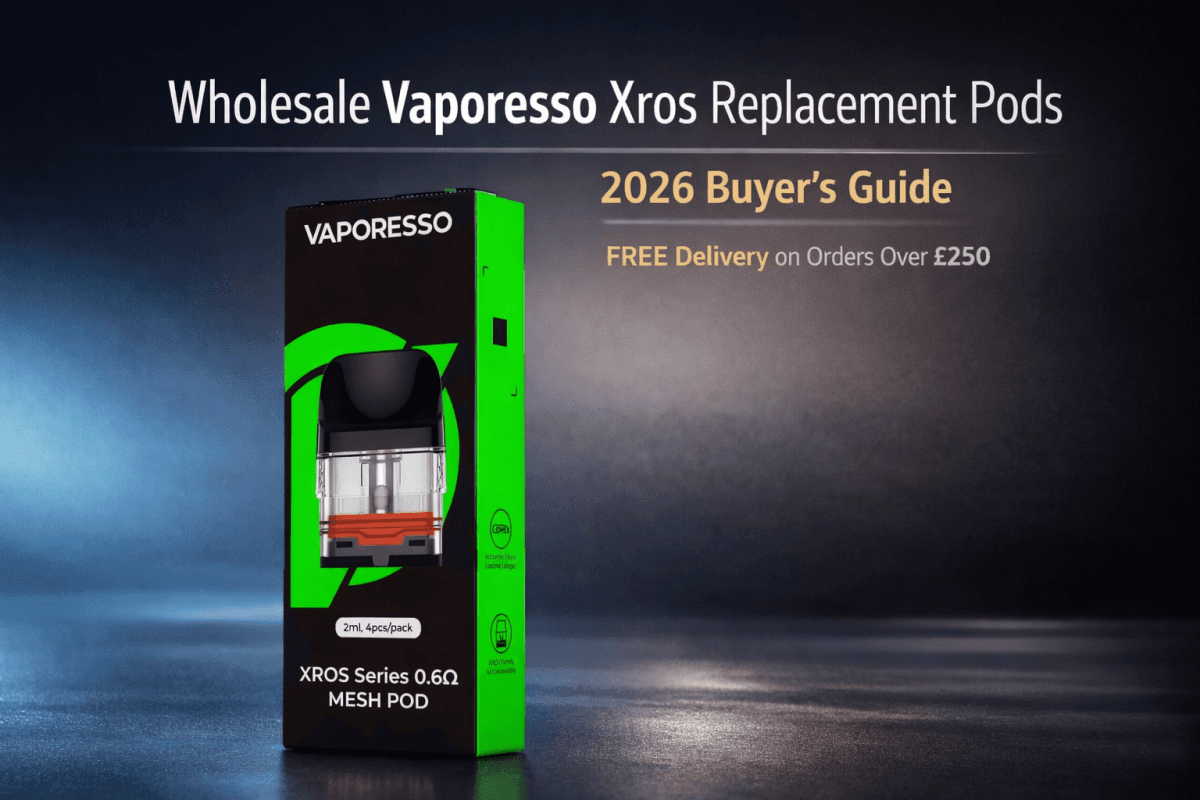
Wholesale Vaporesso Xros Replacement Pods 2026 Buyer’s Guide
Hayati Pro Ultra Plus 25K Pods Pack of 5:Smart Buyer’s Guide
Lost Mary BM6000 Vape Review: Fully Tested & Rated
Hayati Pro Max Plus 6000 Prefilled Vape Kit Review

Exploring the Features of Elux Legend 10ml Nic Salt E-Liquid
Best E-Liquid Flavours for Vapers in 2026
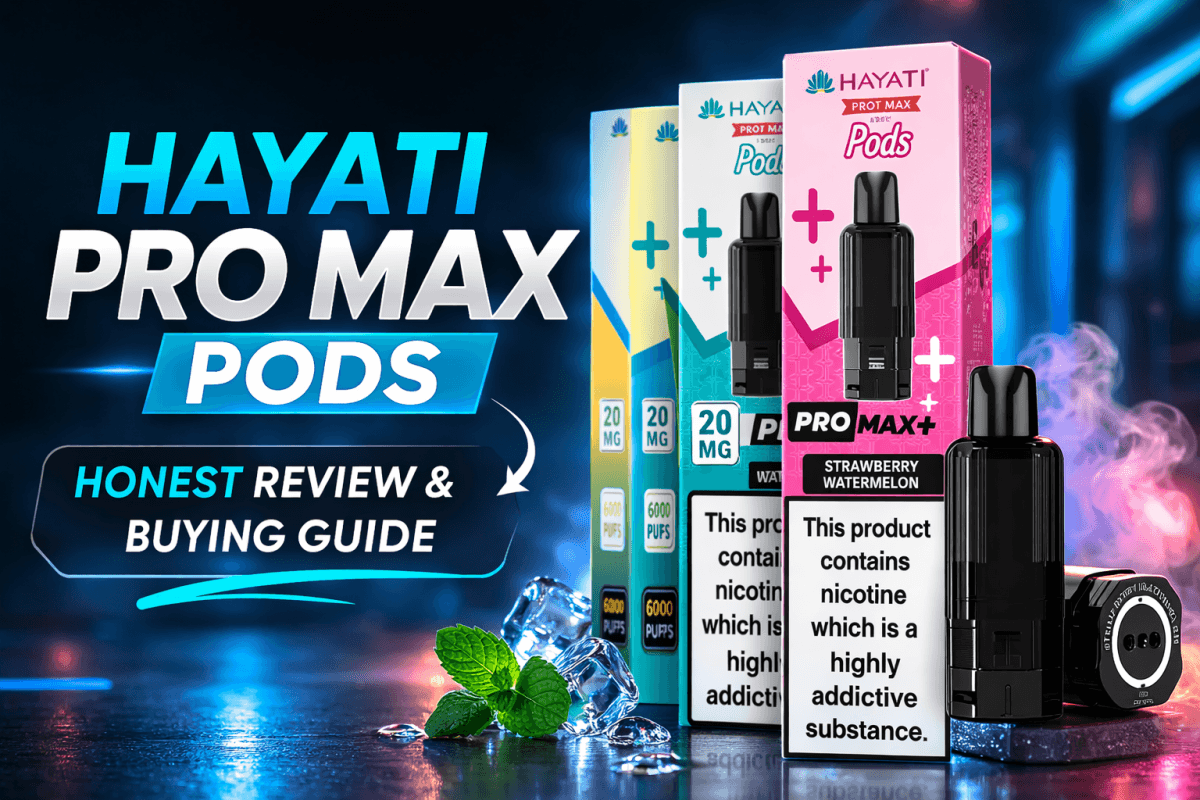
Hayati Pro Max Plus 6000 Pods Pack of 5
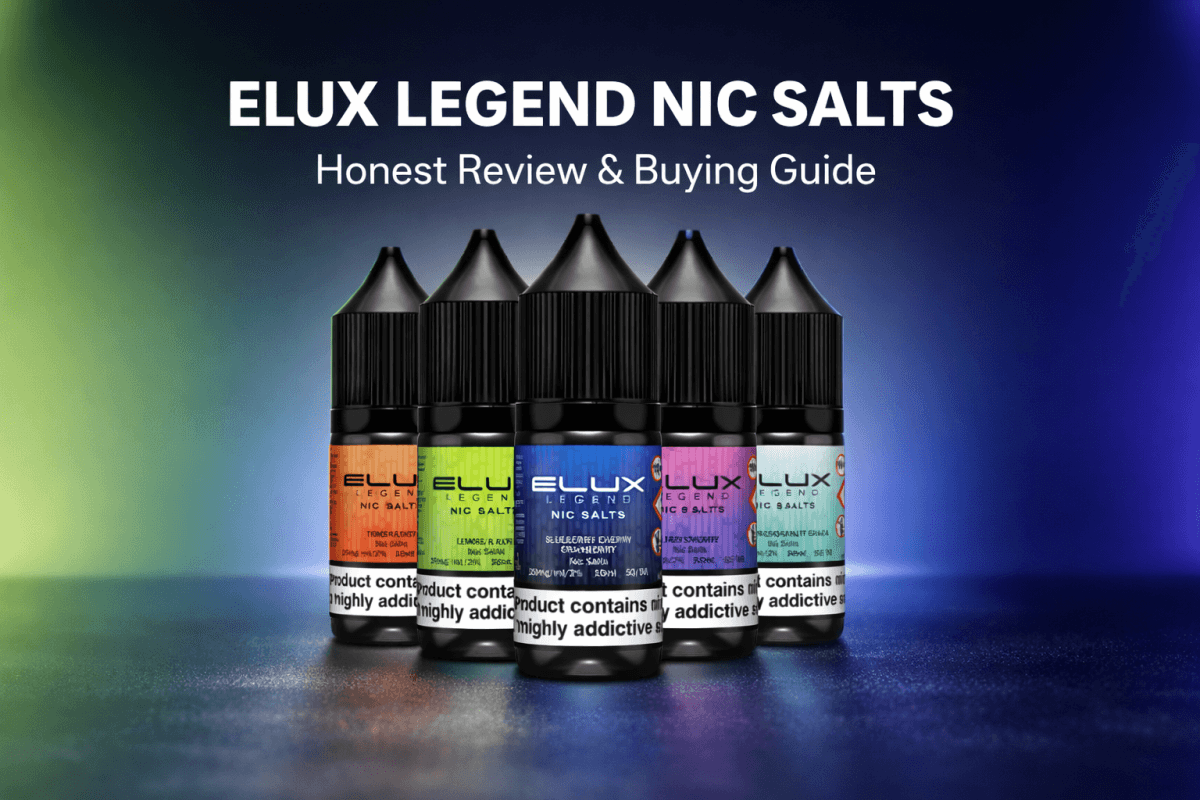
Elux Legend Nic Salts E-Liquids 10ml Box of 10
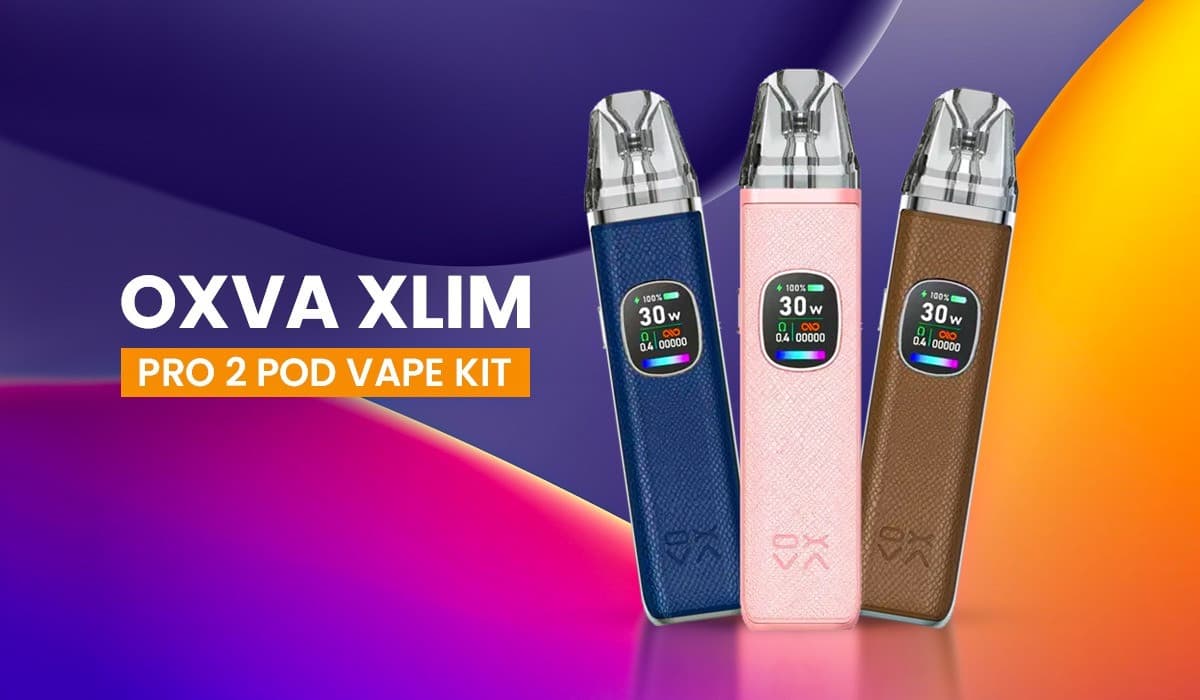
Top Oxva Xlim Pro 2 Features Every Vaper Must Know
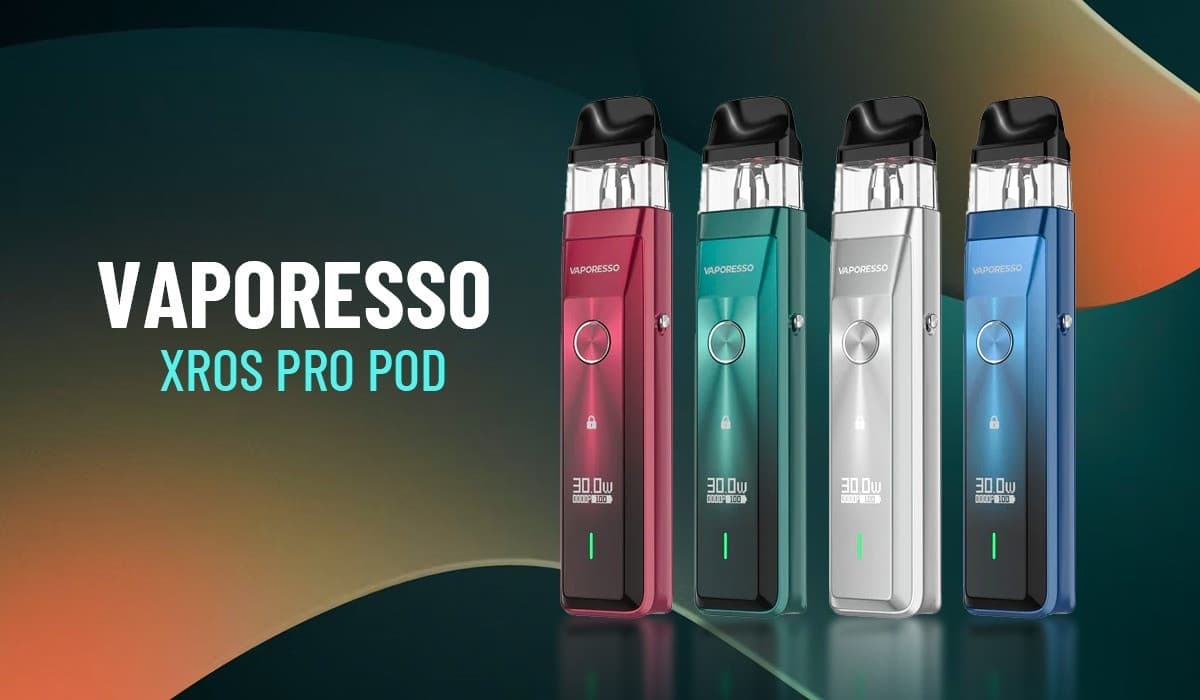
Smooth Flavor & Reliable Vaping with Vaporesso XROS Pro

Why the Hayati Liora Vape Kit Is the Perfect Choice?
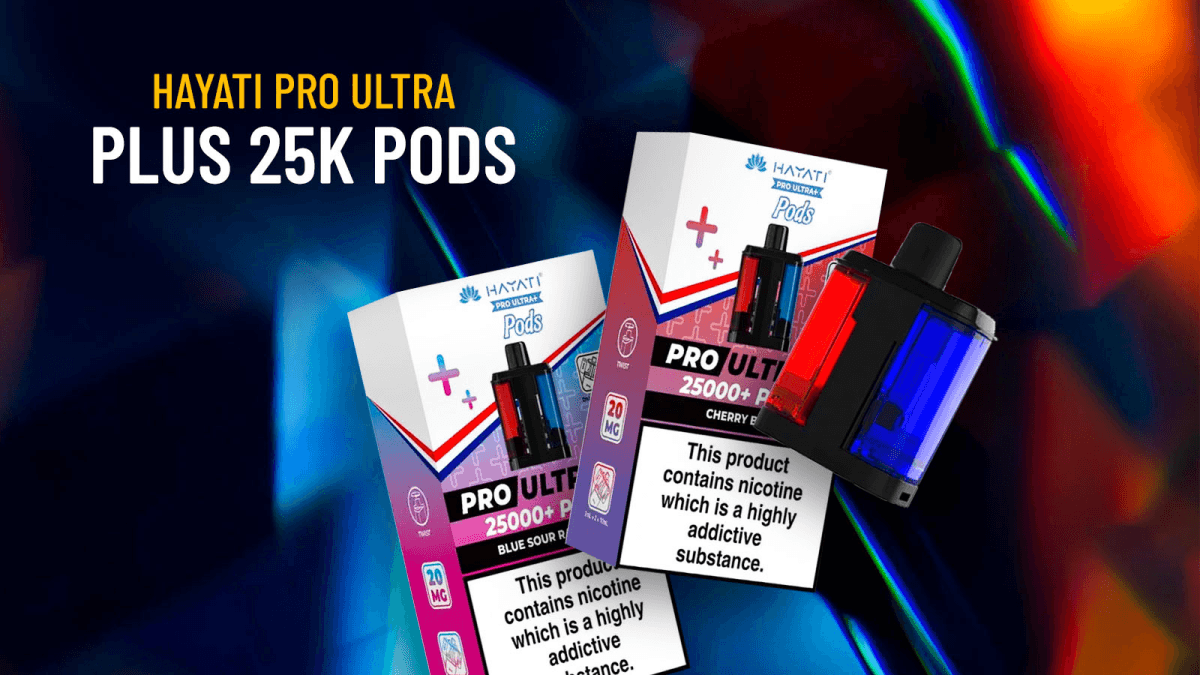
Hayati Pro Ultra Plus 25K Pods: Features & Buying Guide

Bar Juice Nic Salts E-Liquids 10ml Box of 10

Al Fakher 30k Hypermax Prefilled Pod Kit Box of 5
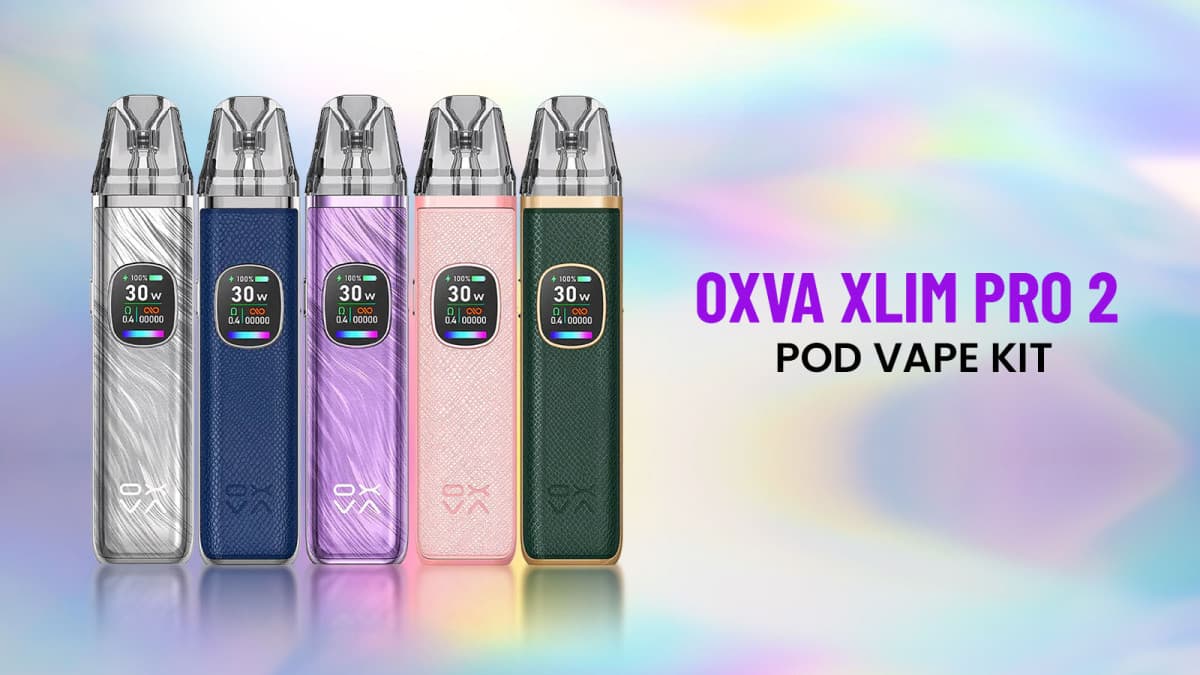
Oxva Xlim Pro 2 Pod Vape Kit: Complete Guide for Vapers
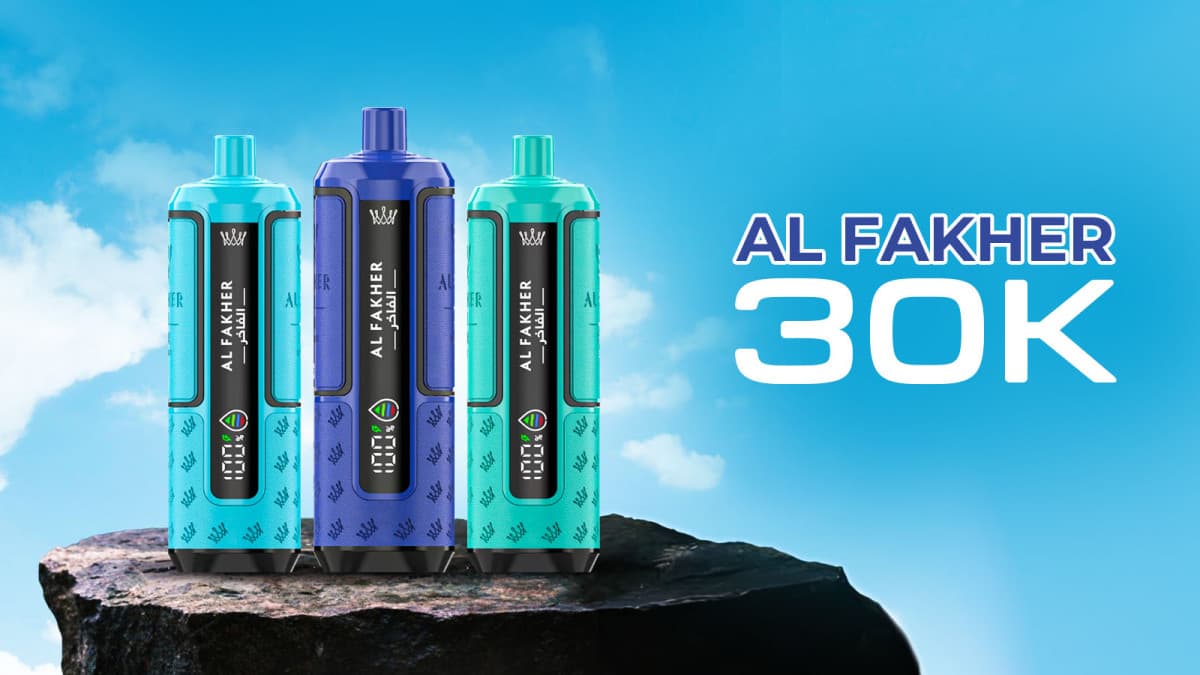
Al Fakher 30k Hypermax Vape Kit: Expert Real-World Guide

Using & Maintaining Your Hayati Pro Max 6000: Full Guide